What Is Driving Industrial Real Estate Investment in Washington Right Now?
Industrial real estate investment means acquiring warehouse, distribution, and logistics properties positioned to profit from freight and e-commerce demand — and in Washington, that means sourcing deals near Interstate 5, the Port of Seattle, and Tacoma’s logistics corridor, underwriting against NOI, cap rate, and DSCR benchmarks, and clearing environmental due diligence under the Model Toxics Control Act before you ever sign a purchase agreement.
What were once basic manufacturing warehouses have become high-tech fulfillment centers powering the digital economy. Growing e-commerce sales and third-party logistics demand have pushed industrial property to the center of commercial real estate — and for Washington brokers, that shift creates a real opening to advise investor clients or build a portfolio of their own.
- Industrial real estate investment in Washington centers on logistics assets near I-5, SR-167, and the Port of Seattle.
- Environmental due diligence — Phase I ESA, SEPA review, and MTCA liability exposure — is non-negotiable before closing.
- Underwriting rests on four metrics: NOI, cap rate, cash-on-cash return, and DSCR, with lenders typically wanting 1.25+.
- Puget Sound’s above-average industrial vacancy is creating temporary negotiating leverage for prepared buyers.
- Washington law requires managing brokers to confirm agents are competent in commercial practice before they handle these deals.
Understanding the Modern Industrial Real Estate Landscape
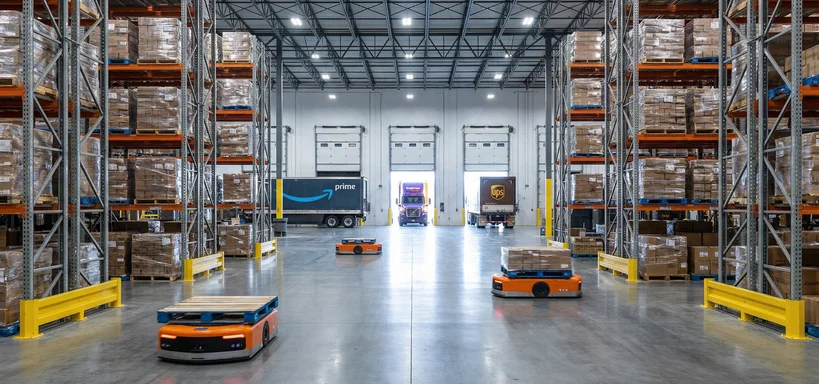
Today’s warehouses bear little resemblance to the storage facilities of decades past. Modern distribution centers are built for efficiency, often featuring 30-plus-foot clear heights, advanced fire suppression, high-capacity electrical infrastructure, and layouts designed around robotics and automated logistics. These buildings function less like storage and more like operational technology platforms.
A major driver behind this shift is the growth of third-party logistics (3PL) providers, which now account for a large and growing share of industrial leasing activity nationally. That trend benefits everyone in the chain: retailers gain distributed facility networks without heavy capital spending, 3PL operators lock in long-term contracts, and investors collect stable cash flow backed by essential logistics infrastructure.
In Washington, this is reshaping the industrial corridors of Seattle, Tacoma, and the broader Puget Sound region. Direct access to Pacific Rim trade routes and established transportation infrastructure make the region a critical West Coast logistics hub, and current vacancy rates sit modestly above long-term averages — creating some negotiating leverage for disciplined buyers.
Mastering Due Diligence for Industrial Real Estate Deals in Washington
Industrial real estate carries real upside, but environmental compliance is where deals go sideways. In Washington, environmental due diligence operates inside a genuinely strict regulatory framework, and it exists to protect public health as much as it protects investors.
The State Environmental Policy Act (SEPA) requires agencies to evaluate a project’s environmental impact before approving certain development. For industrial property, that review can directly affect timelines, feasibility, and capital costs.
Caution — environmental liability: Under Washington’s Model Toxics Control Act (MTCA), a property owner can be held strictly liable for contamination remediation regardless of fault, unless they qualify for the “innocent purchaser” defense. Protection hinges on completing “all appropriate inquiry” before acquisition — typically a Phase I Environmental Site Assessment performed under ASTM E1527-21 standards, which reviews property history, site conditions, and surrounding land uses to flag Recognized Environmental Conditions.
Before any industrial acquisition closes, work through the checkpoints below:
- Environmental assessment compliance: Confirm the Phase I ESA meets ASTM E1527-21 standards and is completed within 180 days of closing.
- SEPA review requirements: Determine whether a change in intended use triggers environmental review.
- Structural and systems inspection: Assess roof integrity, HVAC performance, and electrical capacity for modern operations.
- Zoning compliance: Verify zoning permits the intended use and flag any conditional use requirements.
- Tenant lease analysis: Review triple-net provisions, escalations, renewal options, and termination clauses.
- Financial verification: Evaluate tenant creditworthiness and payment history.
- Title and survey review: Identify easements, encroachments, or encumbrances affecting value.
- Infrastructure assessment: Examine dock doors, truck courts, trailer parking, and site circulation.
Financial Analysis Framework: NOI, Cap Rate, DSCR, and Cash-on-Cash Return
Industrial properties frequently operate under triple-net (NNN) lease structures, where tenants cover taxes, insurance, and maintenance. That reduces operational volatility for the owner and supports predictable cash flow — but the underwriting still has to hold up on its own numbers.
Net Operating Income (NOI) is the foundation: gross rent, less a realistic vacancy factor, less operating expenses. Debt Service Coverage Ratio (DSCR) — NOI divided by annual debt service — tells you whether a lender will look twice at the deal; most want at least 1.25. Cap rate (NOI divided by purchase price) and cash-on-cash return round out the picture, showing unleveraged and leveraged yield side by side.
A hypothetical Tacoma warehouse acquisition illustrates how these metrics interact:
| Metric | Typical Tacoma Industrial Benchmark | Hypothetical Example |
|---|---|---|
| Cap Rate | Roughly 5%–7% | 8.89% |
| Cash-on-Cash Return | Roughly 8%–12% | 10.43% |
| DSCR | 1.25+ (lender minimum) | 1.46 |
A cap rate meaningfully above the typical range — as in the example above — usually signals either added risk or a value-add opportunity worth investigating further. Treat any example numbers like these as illustrative only; run current comps before underwriting a live deal.
Strategic Sourcing and Deal Structuring for Industrial Properties
Unlike residential real estate, industrial opportunities rarely show up through standard listing channels alone. Investors who consistently win deals combine broker relationships, off-market sourcing, and infrastructure analysis to spot opportunities before they're widely marketed.
Location still drives most of the pricing. In Washington, properties near Interstate 5, State Route 167, and the Port of Seattle command premium pricing because of the operational efficiencies that directly boost tenant profitability.
Once a deal is sourced, structuring takes over. Letters of Intent need to address pricing, due diligence timelines (often 60 days or more), environmental contingencies, and tenant-related provisions. Environmental representations and warranties are frequently the sharpest negotiation point — buyers want protection against unknown liabilities, sellers want to cap post-closing exposure. Skilled negotiation allocates that risk without derailing momentum on the deal.
If your brokerage is weighing which credential path supports agents making this shift, the Washington real estate license and CE course lineup outlines every option, from managing broker advancement to specialty electives like commercial practice.
Washington Industrial Real Estate Investment: What to Expect in 2026
E-commerce growth remains a durable driver of warehouse demand, while supply chain automation increasingly favors modern, high-clearance facilities. That's producing a “flight to quality,” where newer assets command premium rents and valuations while outdated buildings face real competitive pressure.
Environmental compliance and infrastructure readiness will keep differentiating assets through 2026. Investors who prioritize clean environmental histories, adaptable layouts, and strong tenant credit are best positioned to outperform. With vacancy still running above long-term Puget Sound averages and new deliveries entering the market, current conditions favor patient, well-underwritten buyers — a window that may narrow as absorption strengthens.
Frequently Asked Questions
What counts as industrial real estate investment in Washington State?
Industrial real estate investment covers warehouses, distribution centers, manufacturing buildings, and logistics facilities purchased for income or appreciation. In Washington, the strongest opportunities cluster around Interstate 5, State Route 167, and the Port of Seattle, where demand from 3PL operators and e-commerce fulfillment tenants keeps space in short supply.
What environmental liability should investors watch for in Washington industrial deals?
Under Washington’s Model Toxics Control Act, an owner can be held strictly liable for contamination cleanup even if they didn’t cause it. A Phase I Environmental Site Assessment following ASTM E1527-21 standards, completed before closing, is the primary defense and should never be skipped on industrial property.
What is a good cap rate for industrial real estate in Puget Sound?
Tacoma-area industrial cap rates have generally run in the 5%–7% range, though individual deals vary with tenant credit, lease term, and building condition. A rate meaningfully above that range signals either added risk or a value-add opportunity worth investigating before committing capital.
How long does industrial real estate due diligence typically take in Washington?
Most industrial purchase agreements allow 60 days or more for due diligence, giving buyers time to complete a Phase I ESA, review SEPA requirements, inspect structural systems, and verify tenant leases. Environmental complications, like a triggered Phase II assessment, can extend that timeline further.
Do Washington real estate brokers need special training for industrial deals?
Washington issues one broker license covering both residential and commercial practice, but managing brokers are statutorily required to confirm their agents are competent in the specific services they provide. Dedicated coursework in commercial and industrial fundamentals helps brokers meet that standard before advising investor clients.
Ready to Build Your Team's Industrial Real Estate Expertise?
Industrial real estate investment isn’t a side conversation for Washington brokerages anymore — it’s a specialty worth a real training plan. Review the Washington managing broker requirements to see how supervision and competency standards apply as agents branch into commercial and industrial work, then build coursework around it. For a deeper look at the broader shift toward commercial practice, see our guide on transitioning to commercial real estate in Washington, our overview of Washington’s 2026 market shifts, and our compliance walkthrough on audit-proofing your WA real estate practice. Questions? Call us at 425-775-2313 — a real person picks up.
Learn how Washington brokers source, underwrite, and close industrial real estate deals in 2026 with courses rated 4.76/5. Start today.